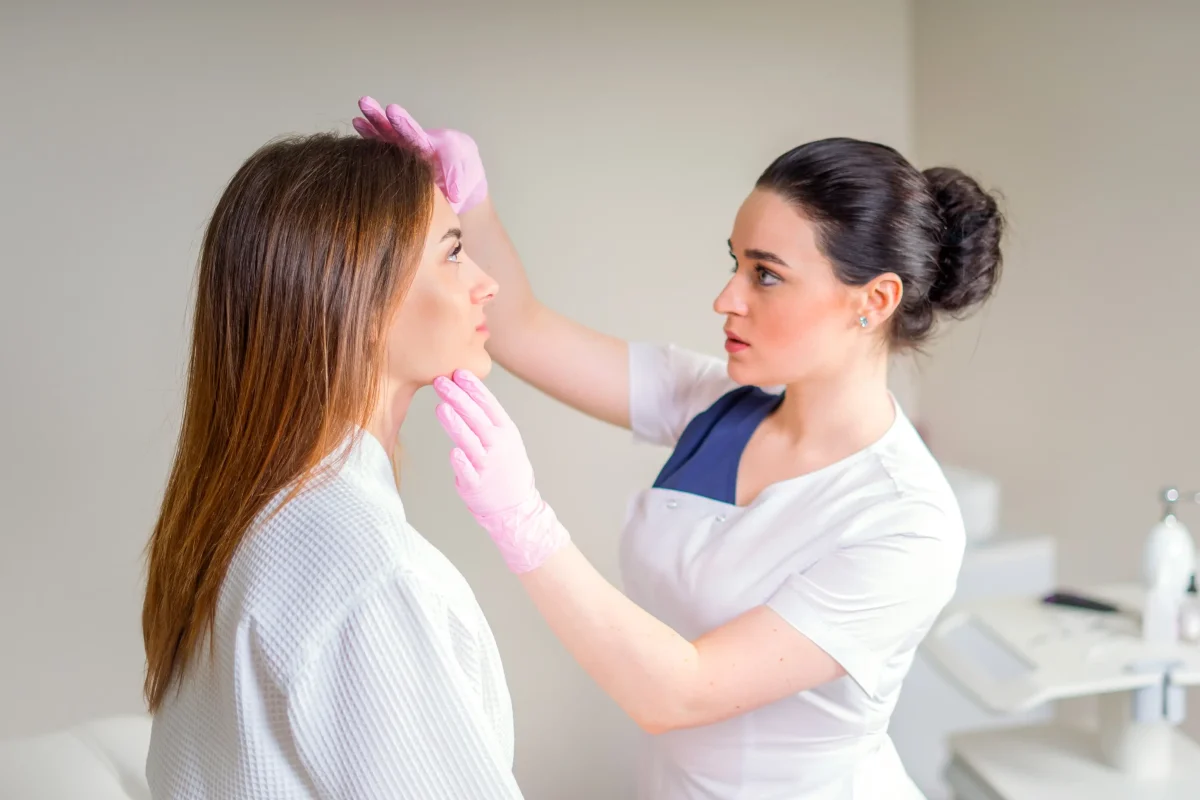
Importance of Regular Skin Check-ups

The Importance of Regular Skin Check-ups: Preventing Skin Cancer and Other Issues

Your skin is your body’s largest organ and the first line of defense against infections, pollution, and harmful UV rays. Yet, it’s often the most neglected when it comes to preventive care. Regular skin check-ups are a vital part of maintaining healthy skin and catching early signs of conditions like skin cancer, pigmentation disorders, and chronic infections.

At Yavana Skin & Hair Clinic, under the expert guidance of Dr. Madhuri Agarwal, we emphasize proactive dermatological care. Early detection through routine examinations can make all the difference between a manageable condition and a life-threatening disease.
Regular Skin Check-ups

Why Regular Skin Check-ups Are Important

Many people only visit a dermatologist when they face a visible issue like acne or rashes. However, routine check-ups offer much more:

1. Early Detection of Skin Cancer

Skin cancer, especially melanoma, can be life-threatening if not caught early. Dermatologists are trained to identify suspicious moles, lesions, or skin changes that could be cancerous. Regular screenings improve survival rates drastically by catching issues early.

2. Monitoring Changes in Skin Health

Skin conditions often develop slowly and without pain. Regular visits allow dermatologists to track any changes in your skin’s texture, tone, or pigmentation and take preventive action before things escalate.

3. Managing Chronic Skin Conditions

If you suffer from eczema, psoriasis, rosacea, or acne, routine follow-ups help adjust treatment plans, keeping flare-ups under control and improving your skin’s health over time.

4. Customized Skincare and Anti-Aging Plans

Preventive dermatology isn’t just about diseases—it’s also about skin rejuvenation. Regular check-ups provide opportunities for personalized skincare guidance, anti-aging treatments, and maintenance of glowing, youthful skin.

Who Should Schedule Regular Skin Check-ups?

While everyone can benefit from routine skin evaluations, these individuals are at higher risk and should be extra vigilant:

  • People with fair skin or a history of sunburn 
  • Those with multiple or unusual moles 
  • Individuals with a family history of skin cancer 
  • Patients with chronic skin issues 
  • People frequently exposed to the sun due to lifestyle or occupation 

What to Expect During a Skin Check-Up?

During a professional skin evaluation at Yavana Skin & Hair Clinic, Dr. Madhuri Agarwal will:

  • Examine your entire body for unusual moles or lesions 
  • Use dermatoscopic tools for magnified skin inspection 
  • Review your medical history and skin concerns 
  • Recommend follow-up, biopsies, or treatments if necessary 

Benefits of Visiting Yavana Skin & Hair Clinic

  • Expert care from Dr. Madhuri Agarwal, a renowned dermatologist 
  • Advanced diagnostic tools and skin imaging 
  • Holistic and preventive dermatology approach 
  • Personalized treatment plans for skin and hair concerns

Frequently Asked Questions (FAQs)

Ideally, you should visit a dermatologist once a year. However, if you’re at high risk (due to sun exposure or family history), a check-up every 6 months is advisable.

Yes. Dermatologists are trained to identify early signs of skin cancer, and timely detection greatly improves treatment outcomes.

Not at all. Skin exams are non-invasive and typically involve visual inspection using magnification tools.

Avoid wearing makeup or applying body lotion on the day of your visit to ensure a clear evaluation of your skin.

Absolutely. Regular visits also help you stay on top of anti-aging treatments, pigmentation management, and skin rejuvenation options tailored to your skin type.

Conclusion

Prevention is better than cure, and this couldn’t be more accurate when it comes to skin health. Regular skin check-ups at Yavana Skin & Hair Clinic, led by Dr. Madhuri Agarwal, offer a proactive approach to preventing serious issues like skin cancer and managing everyday skin concerns effectively. Don’t wait for symptoms—make skin screening a part of your yearly healthcare routine.

Loading

Monopolar

The Power of Monopolar Radiofrequency for Youthful Skin

Introduction

In our relentless quest for youthful and rejuvenated skin, the world of dermatology presents a non-invasive marvel harnessing the potency of monopolar radiofrequency (RF). IT is designed to smooth, tighten, and contour the skin and is a step towards preserving the vibrant appearance of yesteryears.

Understanding Monopolar Rf

At its core, Monopolar Rf  is an RF therapy that meticulously targets the deep, collagen-rich layers of the skin. But what makes this treatment comfortable is the innovative tip that simultaneously vibrates and cools the skin’s surface, ensuring patient comfort throughout the procedure.

Who is the ideal candidate for this procedure?

While Monopolar Rf  benefits are many, it’s particularly effective for individuals in their mid-30s to 50s who are beginning to notice sagging skin, fine lines, and other early signs of ageing but aren’t ready for surgical interventions. It’s an excellent middle-ground solution.

How Does It Work?

  • Mechanism: As time progresses, the collagen in our skin inevitably breaks down, leading to the familiar foes: wrinkles and sagging. Monopolar Rf  emerges as a beacon by promoting new collagen growth, renewing our skin’s former vitality. It achieves this by heating the existing collagen and stimulating new collagen formation. This dual action reduces sagging and restores contours, elevating the overall texture and smoothness of the skin’s surface.
  • Depth and Reach: A remarkable feature of Monopolar Rf  is its ability to target all three layers of facial skin. This comprehensive approach ensures robust and long-lasting skin rejuvenation. The underlying radiofrequency energy further tightens the collagen, effectively addressing wrinkles and fine lines.

Applications of Monopolar Rf

Monopolar Rf  is versatile. It’s not limited to facial rejuvenation alone. Still, it extends its benefits to treat wrinkles and loose skin around the eyes and the body.

Procedure Insights

  • Duration: A typical Monopolar Rf  session spans between 60 to 90 minutes.
  • Post-Procedure: One of the standout features of Monopolar Rf  is the minimal to zero downtime. Post-treatment, you can seamlessly transition back to your daily routine, work or leisure, without any hindrance.

The Benefits of Choosing Monopolar Rf

  • One-Time Treatment: Unlike some procedures that demand multiple sittings, Monopolar Rf  offers the luxury of a single-session treatment.
  • Comfort and Safety: The procedure is designed to ensure maximum painless and safe comfort.
  • Visible Results: Post-treatment, the rewards are manifold. Patients often report firmer, younger-looking skin. Other commendable outcomes include reduced acne, softened scars, a chiselled jawline, diminished forehead lines, and a significant reduction in jowls.

Cost-Effectiveness

Considering that Monopolar Rf  is often a one-time treatment with lasting results, it presents itself as a cost-effective solution in the long run compared to treatments that require frequent touch-ups or maintenance sessions.

Conclusion

In the panorama of skin treatments, Monopolar Rf  stands out as an efficient, quick, and long-lasting solution for those aspiring for a youthful appearance. With minimal discomfort and no extensive aftercare, it’s a testament to how modern dermatological advances can offer simple solutions to complex skin ageing problems.


By Dr. Madhuri Agarwal, Founder of Yavana Aesthetics

Loading

Acne clear Treatment and Acne scar Treatment

Gender Differences in Acne: Beyond Teenage Years

Introduction:

Acne, often considered a rite of passage during adolescence, is a skin condition that doesn’t necessarily vanish with the teenage years. Beyond the tumultuous hormonal changes of puberty, adult acne persists, impacting men and women differently. In this blog, we delve into the nuances of gender differences in adult acne, exploring hormonal influences, treatment approaches, lifestyle factors, and the psychological impact it has on individuals.

Gender Disparities in Adult Acne Prevalence:

Contrary to popular belief, acne isn’t solely a teenage woe. Studies have shown that adult women are more prone to developing acne than their male counterparts. The reasons for this gender disparity are multifaceted, ranging from hormonal influences to genetic predispositions.

Hormonal Influences:

One of the primary contributors to adult acne is hormonal fluctuations. Women, in particular, experience cyclical hormonal changes associated with the menstrual cycle. Fluctuations in estrogen and progesterone levels can trigger increased sebum production, leading to acne flare-ups. Understanding these hormonal dynamics is crucial in tailoring effective treatment strategies.

Treatment Approaches:

Medications tailored to gender-specific factors have gained prominence in addressing adult acne. For women, hormonal contraceptives or anti-androgen medications may be recommended to regulate hormone levels. On the other hand, men may benefit from medications targeting excess sebum production and inflammation.

Cosmetic procedures also play a role in acne management, with their effectiveness varying by gender. For instance, laser treatments may be more beneficial for women dealing with hormonal acne, while men might find success with chemical peels or microdermabrasion.

Lifestyle Factors:

Stress, a ubiquitous element of modern life, can significantly impact hormone levels and exacerbate acne. Women, in particular, may experience hormonal fluctuations during stressful periods, contributing to acne development. Incorporating stress-reducing practices into daily life can be beneficial for both genders in managing adult acne.

Skincare routines and product efficacy also differ between men and women. Understanding the unique needs of each gender’s skin can aid in the selection of appropriate skincare products, promoting better acne management.

Psychological Impact:

Acne doesn’t just affect the skin; it can take a toll on mental health. Gender differences in coping mechanisms may influence how individuals deal with the emotional burden of adult acne. Societal pressures related to beauty standards can also disproportionately affect men and women, impacting self-esteem and overall well-being.

Conclusion:

In conclusion, recognizing the gender differences in adult acne is crucial for developing more effective treatment approaches and providing improved psychological support for affected individuals. Tailoring treatments to address hormonal influences, understanding the nuances of skincare routines, and acknowledging the psychological impact of acne can pave the way for a holistic approach to acne management beyond the teenage years. By embracing a comprehensive understanding of adult acne, we can empower individuals to navigate this common skin condition with confidence and resilience.

Loading

Acne clear Treatment and Acne scar Treatment

DO’S AND DON’TS OF ACNE CARE

Picture this: You have an important event coming up – perhaps a date, an interview, or a long-awaited reunion with friends – but instead of feeling excited, all you can think about is that stubborn zit on your chin. It seems like no matter what creams or remedies you try, acne just keeps popping up at the most inconvenient times. Well, it’s time to put an end to this never-ending battle! In this article, we will reveal the secrets behind proper acne care by sharing essential do’s and don’ts that will transform your skin from breakout-prone to flawless in no time. Say goodbye to hiding behind layers of makeup and hello to clear, confident skin!

The Do’s of Acne Care

  • Keep Your Skin Clean: Wash your face gently with a mild, fragrance-free cleanser twice a day, morning and night. Avoid scrubbing too vigorously, as this can irritate the skin.
  • Use Non-Comedogenic Products: Choose skincare and makeup products labelled as “non-comedogenic” or “oil-free.” These won’t clog your pores, reducing the risk of acne breakouts.
  • Moisturize: Use a lightweight, oil-free, and non-comedogenic moisturizer daily. Proper hydration is crucial for maintaining healthy skin.
  • Sun Protection: Apply a broad-spectrum sunscreen with an SPF of at least 30 every morning, even on cloudy days. Sun protection helps prevent post-acne marks and hyperpigmentation.
  • Consult a Dermatologist: If your acne is severe, persistent, or causing emotional distress, seek professional help from a dermatologist. They can recommend personalized treatment options.
  • Patience: Understand that acne treatments take time to work. Be patient and consistent with your routine, and avoid the urge to pick or squeeze pimples.

The Don’ts of Acne Care

  • Don’t Overwash Your Face: Washing your face excessively can strip it of natural oils and exacerbate acne. Stick to a twice-daily cleansing routine.
  • Avoid Harsh Scrubs: Scrubbing your face vigorously or using abrasive exfoliants can irritate acne-prone skin. Opt for gentle exfoliation no more than once a week.
  • Hands Off: Don’t Touch your face or pick at pimples. This can introduce bacteria and worsen inflammation, leading to more breakouts.
  • Avoid Heavy, Oily Products: Heavy, greasy products can clog pores and contribute to acne. Opt for lightweight, non-comedogenic products.
  • Don’t Self-Prescribe Medications: While over-the-counter acne treatments can be effective, avoid using multiple products at once. Consult a dermatologist for a tailored treatment plan.
  • Dietary Choices:  While there’s no one-size-fits-all diet for acne, some individuals find that certain foods, like dairy and high-glycemic-index foods, may exacerbate their acne. Experiment with your diet, but avoid extreme restrictions without consulting a healthcare professional.

Bottom line: 

Acne care, including acne clear treatment and acne scar treatment, requires a balanced approach that combines good skincare practices, a healthy lifestyle, and patience. Remember that everyone’s skin is unique, and what works for one person may not work for another. It’s essential to find a routine that suits your skin type and the severity of your acne. When in doubt, consult with a dermatologist who can provide personalized guidance and treatment options for acne clear treatment and acne scar treatment. With the right care and consistency, you can achieve clear, healthy skin and boost your confidence.


Loading

skin

How to manage skin concerns amidst changing weather!

As the seasons transition, so does our skin’s behaviour. Changing weather, be it from winter to spring or summer to fall, can pose unique challenges to our skin. To maintain a healthy and radiant complexion throughout the year, it’s essential to adapt your skincare routine to the weather’s demands. Here are some tips to help you manage common skin concerns amidst changing weather.

  1. Hydration is Key:

Regardless of the season, hydration is crucial for maintaining healthy skin. During colder months, indoor heating systems can strip the air of moisture, leading to dry and dull skin. In contrast, hot weather can cause excessive sweating, resulting in dehydration. Invest in a hydrating moisturizer and drink plenty of water to keep your skin plump and supple.

  1. Sun Protection Always:

UV rays are present even on cloudy days, and their intensity can vary depending on the season. Apply a broad-spectrum sunscreen with at least SPF 30 every morning, regardless of the weather. Sun protection helps prevent premature ageing, dark spots, and even more severe conditions like skin cancer.

  1. Adjust the Cleansing Routine:

Changing weather can affect your skin’s oil production. If your skin becomes oilier in the warmer months, consider switching to a gentle foaming cleanser. For colder months, opt for a hydrating cream cleanser to prevent dryness. Over-cleansing can strip your skin of essential oils, so find a balance that suits your skin’s needs.

  1. Exfoliation and Renewal:

Exfoliation helps remove dead skin cells, allowing new, fresh skin to emerge. However, over-exfoliating can lead to irritation and sensitivity. During colder months, opt for a gentle exfoliation once a week, while in warmer months, you might increase it to twice a week. Don’t forget to apply a moisturizer after exfoliation to lock in hydration.

  1. Tailor Your Moisturizer:

Switching to a heavier moisturizer during colder months can help combat dryness and protect your skin’s natural barrier. In warmer weather, consider using a lightweight, oil-free moisturizer to prevent clogged pores and breakouts.

  1. Antioxidant Boost:

Antioxidants are essential year-round as they help neutralize the damaging effects of free radicals caused by environmental factors like pollution and UV rays. Incorporate a serum or moisturizer rich in antioxidants, such as vitamin C, into your routine to maintain healthy skin.

  1. Address Specific Concerns:

If you have specific skin concerns like acne, rosacea, or hyperpigmentation, consult a dermatologist for tailored advice. They can recommend products and treatments that target your concerns while considering the changing weather.

  1. Don’t Neglect Lips and Eyes:

The delicate skin on your lips and around your eyes requires extra care. Use a hydrating lip balm and an eye cream to prevent dryness and fine lines. Sunglasses also provide protection against UV rays, reducing the risk of sun damage.

  1. Stay Consistent:

Consistency is key when it comes to skincare. Adapt your routine as the weather changes, but maintain a consistent regimen to ensure your skin’s health and vitality.

Conclusion:

Our skin is responsive to its surroundings, and changing weather can bring about various skin concerns. By tailoring your skincare routine to the demands of the season, you can maintain healthy, glowing skin year-round. Prioritize hydration, sun protection, and adjusting your products as needed. Remember, well-cared-for skin will radiate confidence and beauty, regardless of the weather outside.

Loading