Skin Lightening

Skin Lightening Treatments: An Insight into Achieving a Brighter Complexion

The desire for a radiant and even-toned complexion is universal. Various factors like sun exposure, genetics, hormonal imbalances, and ageing can cause our skin to develop patches, discolourations, or an uneven tone. The world of dermatology has seen significant advancements over the years, presenting various treatments tailored to address these concerns. 

Here’s a closer look at the skin-lightening therapies available:

1. Chemical Peel Chemical peels involve applying a chemical solution to the skin to exfoliate and remove the damaged top layers. Derived mainly from natural sources, these peels help shed the melanin-rich upper layers, paving the way for healthier and rejuvenated skin.

How It Works: By targeting the uppermost layers of the skin, chemical peels reduce the buildup of dead and congested skin cells. This allows the underlying fresher and smoother skin layers to emerge.

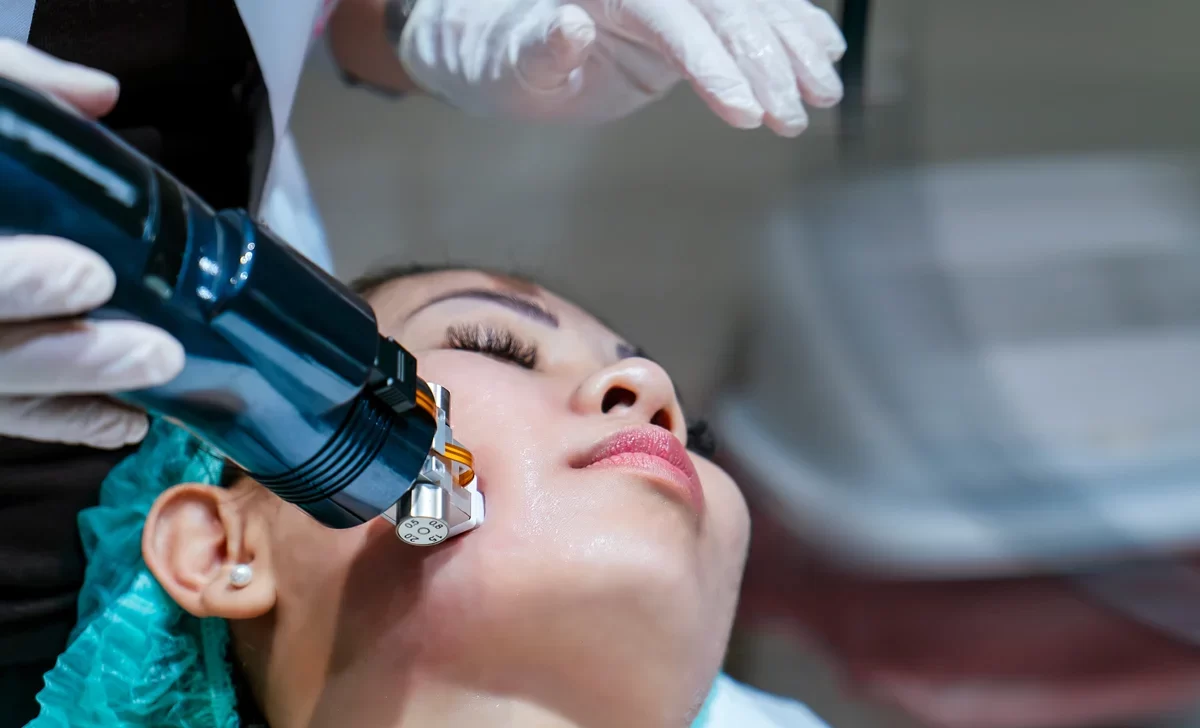
2. Laser Treatment for Skin Lightening Laser treatments use concentrated beams of light to target and break down melanin deposits in specific skin areas, thereby lightening the skin tone.

How It Works: The melanin absorbs the laser energy, causing it to break down. Over time, these melanin particles are removed by the body’s natural processes, leading to a brighter skin tone.

Key Benefits of Skin Lightening Treatments:

  • Reduction in Melanin: The primary goal of these treatments is to reduce the skin’s excess melanin content, which is responsible for the skin hyperpigmentation.
  • Addressing Skin Concerns: Skin lightening treatments can effectively target freckles, melasma, dark spots, and sun-induced damage.
  • Rejuvenating Effects: Beyond lightening, these treatments can reduce scars, age spots, fine lines, and other blemishes, revealing fresher and younger-looking skin.
  • Even-Toned Complexion: Achieve a lighter, consistent, and uniformly toned skin appearance.

Post-Treatment Care: After undergoing any skin-lightening treatment, it’s imperative to follow a gentle skincare regimen. This should include:

  • Using mild cleansers.
  • Hydrating with a good moisturizer.
  • Protecting the skin with a broad-spectrum sunscreen.
  • Refraining from using actives and serums for at least five days post-treatment to allow the skin to heal.

Safety Considerations: While treatments like laser and chemical peels are designed to be safe and effective in reducing melanin production, it’s essential to understand that individual reactions can vary. It is always recommended to consult a certified dermatologist to understand your skin’s unique needs and to determine the most suitable treatment option.

In conclusion, while the allure of brighter skin can be tempting, making informed decisions based on scientific knowledge and expert advice is crucial. With the proper guidance and care, achieving that desired skin glow is well within reach.

By Dr. Madhuri Agarwal, Founder of Yavana Aesthetics

Loading

Dermal Fillers

All About Dermal Fillers: The Gateway to Youthful Beauty 

With two decades in dermatology and countless satisfied clients, my passion lies in crafting natural, youthful skin. At Yavana Aesthetics, we often recommend dermal fillers as a reliable solution to counteract the signs of ageing, bringing your skin’s inner radiance to the forefront.

In pursuing age-defying skin, dermal fillers have emerged as a trusted companion. While our skin naturally loses its elasticity and fullness as we age, dermal fillers act as a bridge, replenishing what time has taken away. They fill the voids created by wrinkles and lines and reintroduce volume and lift to areas that have begun to sag, effectively sculpting the face to its youthful contours. 

Now, many patients ask, “How does this compare to Botox?”. Here’s my take. While both are champions in the anti-ageing realm, they serve distinct purposes. Botox primarily relaxes the muscles to reduce the appearance of fine lines and wrinkles, particularly those that form from facial expressions, like frown lines or crow’s feet. Dermal fillers, on the other hand, focus on restoring volume and fullness, tackling deep-set wrinkles, hollow cheeks, and thinning lips. Consider Botox as the relaxant for surface wrinkles and fillers as the volumizer for deeper age-related changes. Together or individually, they’re powerful tools in the arsenal against ageing. Under expert guidance like at Yavana Aesthetics, they can artfully restore and retain that youthful allure we all cherish.

What are Dermal Fillers?

Dermal fillers are our allies in the battle against skin ageing. When delicately injected beneath the skin’s surface, these gel-like substances can rejuvenate, replenish, and reshape facial contours. At their core is hyaluronic acid, a natural substance in our skin. This humble component is the superstar of the facial filler world due to its safety and effectiveness. When used adeptly, it promises to:

  • Combat Undereye Hollowness: Brighten up the windows to your soul.
  • Smooth Lines: They stand no chance if they’re around the nose and mouth, commonly known as marionette or smile lines.
  • Revitalize Sunken Areas: Be it the cheeks or the temples, bring back youthful plumpness.
  • Erase Vertical Lip Lines: Why not plump those lips for a fuller smile while at it?
  • Iron Out the Chin Crease: Say goodbye to any unwanted marks.
  • Enhance Symmetry: Balancing and beautifying all your lovely features.

The Dermal Filler Experience

The process is more straightforward than one might think. Typically conducted as an outpatient procedure, a session lasts up to an hour. The comfort of my patients is paramount; hence, we always administer a numbing medication prior.

While the transformative results are immediate, you might notice slight bruising or swelling. These are temporary and should subside within a week. Sometimes, a touch-up might be necessary once the swelling recedes to achieve that perfect look.

How long do the results last?

The magic of dermal fillers varies from one person to another and depends on the area treated. On average, you can expect the results to grace your skin anywhere between 6 to 18 months. A more frequent touch-up might be in order if you want to enhance those lips.

Aftercare and Precautions

Dermal fillers at Yavana Aesthetics are safe. However, every skin tells a different story, and some might experience temporary side effects like mild pain, bruising, or swelling. For the best results, I always recommend:

  • No Massages: For 24 hours, resist touching the treated areas.
  • No Facials or Sauna: Keep steam and sauna sessions at bay for 15 days.
  • Rest is Best: Refrain from vigorous activities for 72 hours to let the treatment work wonders.
  • Sun Safety: Stay away from direct sunlight and heat for 72 hours.
  • Elevate When You Sleep: If swelling occurs, sleeping with your face slightly raised is best.

Remember, the journey to radiant skin combines science, expertise, and care. Feel free to reach out to Yavana Aesthetics for guidance, and together, let’s unlock the secret to timeless beauty.

By Dr. Madhuri Agarwal, Founder of Yavana Aesthetics

Loading

Hair Loss

PRP/GFC for Men’s Hair Loss: All You Need to Know

Understanding Men’s Hair Loss: Genetic predisposition and hormonal changes primarily trigger men’s hair loss. Factors like lifestyle, stress, poor eating habits, lack of sleep, and environmental pollutants can exacerbate the condition. In contrast to women, men’s hair loss often manifests as receding frontal hairlines, thinning on the crown, and eventually balding. Conversely, women usually experience thinning from the middle partition, spreading gradually to the sides.

Why PRP for Men? While PRP can benefit men by controlling hair loss and enhancing growth, it isn’t a standalone or permanent solution. Effective hair loss treatment requires a multi-faceted approach, including medical therapy, PRP, and lifestyle management. Selecting the right candidate for PRP is crucial; only some men will benefit from it. Hence, consulting a qualified dermatologist who can ensure the correct PRP technique and procedural protocols is paramount.

Benefits of PRP for Men:

  • Controls hair loss.
  • Enhances hair thickness.
  • Boosts hair density.
  • Augments result in hair transplant procedures.

Understanding PRP and GFC: Platelet Rich Plasma (PRP) and Growth Factor Concentrate (GFC) treatments have made waves in the dermatological world as promising therapies for hair loss. PRP utilizes platelet-rich plasma from one’s blood to combat hair loss. At the same time, GFC treatment, a relatively newer method, employs a concentrated solution derived from growth factors in our blood.

PRP vs. GFC: While PRP and GFC are derived from the patient’s blood, their compositions vary. PRP extracts platelet-rich plasma, platelet-poor plasma, and other red blood cells. In contrast, only the platelet-rich plasma is utilized. Conversely, GFC boasts a higher concentration of growth factors than PRP, which may result in enhanced stimulation for hair growth.

Who Should Consider PRP or GFC?

  • Individuals battling male or female pattern balding, also known as alopecia.
  • Those experiencing hair loss due to stress, drastic weather changes, poor diet, and lifestyle habits.

Procedure at a Glance:

  • Blood is drawn from the patient, akin to a routine blood test.
  • The blood is then centrifuged using advanced techniques to maximize the Growth Factor Concentrate.
  • The resulting concentrated solution is administered to the scalp using microinjections.

Benefits:

  • Significantly curbs hair fall and rejuvenates hair follicles.
  • Enhances hair thickness and volume.
  • There is no downtime post-procedure, enabling patients to resume their daily activities immediately.

Tips for Men Battling Hair Loss:

  • Long-term Management: Hair loss, especially pattern hair loss, requires consistent treatment. It’s essential to set realistic expectations and remain patient.
  • Exercise and Meditation: Regular workouts and meditation release happy hormones, balancing stress and promoting hair health.
  • Balanced Diet: A nutrient-rich diet, free from junk and processed foods, can significantly aid hair growth.
  • Quality Sleep: Uninterrupted sleep, aligned with the body’s circadian rhythm, can revitalize hair follicles.
  • Hobbies: Engaging in hobbies can act as a distraction from life’s stresses, including hair fall.

Boosting Hair Growth: While advanced hair loss poses challenges, early interventions can promote hair growth in men. However, it’s essential to remember that boosting growth isn’t a one-time task—consistent care and maintenance are critical.


By Dr. Madhuri

Dr. Madhuri is a board-certified dermatologist with extensive experience in hair loss treatments. Suppose you’re struggling with hair fall or considering PRP/GFC. In that case, it’s vital to consult a dermatologist to discuss the best options tailored for you.

Loading

Skin Tightening

Skin Tightening

Your Guide to Modern Skin Tightening

Deck: Dive into the world of skin tightening, discover what’s new, and find out which will be the best fit for you.

Understanding Skin Tightening

Think of skin tightening as giving your skin a gentle lift without surgery. Over time, sun exposure, age, and even daily stress can make our skin lose its firm feel. Skin tightening helps bring back that fresh, youthful look.

Why Consider Skin Tightening?

  • Ageing: Over time, skin loses its elasticity, leading to sagging, especially around the eyes and neck.
  • Sun Exposure: UV rays can hasten skin sagging by breaking down collagen and elastin.
  • Weight Changes: Major weight loss or pregnancy can leave behind excess skin.
  • Genetics: Some people naturally experience sagging skin earlier due to their genes.
  • Tobacco Use: Smoking can speed up skin ageing and sagging.
  • Desired Appearance: Tighter skin offers a youthful look, boosting self-confidence.
  • Non-invasive Option: Skin tightening provides an alternative to more invasive surgeries.
  • Improved Skin Health: Beyond looks, tighter skin can be healthier and more resilient.

Skin tightening is sought after for its cosmetic and functional benefits, addressing ageing, lifestyle choices, and individual health needs.

A Look at Different Treatments at Yavana Aesthetic Clinic by Dr Madhuri Agarwal:

1. Lasers: Precision Tools for Rejuvenating Skin

How Lasers Work: Lasers are akin to precision erasers. They meticulously target and vaporize damaged skin layers using advanced light technology, revealing a refreshed layer underneath. This process stimulates the skin to produce new collagen, resulting in a firmer and younger look.

Pros:

• Produces quick and noticeable results.

• Accurately zeroes in on specific skin issues without affecting surrounding areas.

Cons:

• Some patients experience temporary redness, swelling, or minor discomfort.

• A brief recovery period is needed, where sun exposure and certain outdoor activities should be avoided.

Popular Lasers Include:

• Fractionated CO2 laser: This laser makes tiny microscopic holes in the skin, promoting faster healing and a reduced risk of side effects.

• Fractionated Erbium Yag laser: Less intense than CO2, this option is known for its gentle approach, making it suitable for sensitive skin or minor imperfections.

2. Radiofrequency (RF): A Gentle Heat That Rejuvenates

What is RF? RF treatments involve using electric currents to produce controlled warmth in the deeper layers of the skin. This heat promotes collagen production, creating a tighter, plumper skin appearance.

Pros:

• Comfortably non-invasive with a sensation akin to a warm massage.

• Versatile, being effective on a variety of skin tones and types.

Cons:

• Initial results may be mild and require patience.

• Achieving desired outcomes might necessitate multiple sessions.

RF Treatment Varieties: • Monopolar, Bipolar, Tri-polar: These are distinct methods governing how the RF energy navigates. Monopolar focuses deep, Bipolar treats surface layers, while Tri-polar offers a balanced approach.

3. Microneedle Fractional RF: Combining Precision with Power

Working Mechanism: Tiny, almost invisible needles penetrate the skin’s surface to deliver RF directly. This dual action boosts collagen production, enhancing both skin texture and firmness.

Pros:

• Effective across diverse skin types.

• Dual-action leads to enhanced skin rejuvenation.

Cons:

• Some patients may experience short-lived swelling, bruising, or tingling sensations.

• Optimal results often emerge progressively over a few weeks.

4. Intradermal Radiofrequency: Advanced Deep Treatment

Overview: Specially designed needles go just beneath the skin’s surface to introduce RF energy. These minor intrusions promote healing channels, aiding the skin to repair, rejuvenate, and tighten from within.

Pros:

• Precisely engages with deeper skin layers for enhanced results.

• Particularly effective for skin concerns like acne scars and open pores.

Cons:

• Some patients report temporary bruising, swelling, or minor discomfort.

• For some skin issues, more than one session might be optimal.

5. Hi-FU (High-Intensity Focused Ultrasound): The Power of Sound

Functionality: Hi-FU taps into ultrasonic energy. When applied, it creates controlled heat zones in the deeper skin layers, stimulating collagen regeneration and leading to a natural skin lift over time.

Pros:

• Completely non-invasive, making the procedure relatively comfortable.

• Some patients report visible skin lifting and toning after just one session.

Cons:

• A minority of patients might experience brief redness or minor discomfort.

• Desired results might take time and, in some cases, may be subtler than expected.

Conclusion: All these tools and methods aim to make your skin look and feel its best. Which one’s right for you? It depends on your needs, skin type, and budget. Sometimes, a mix of treatments offers the best results. Remember, it’s about finding the best fit for you and discussing with a professional can always guide you best.

Call us at 022 6849 3655 or write to us info@yavana.in for more details.

Loading