Hair Rejuvenation

From Scalp to Strands: Understanding the Anatomy of Hair Rejuvenation

Introduction: Hair Rejuvenation and Its Importance

Hair rejuvenation goes beyond mere aesthetics; it encompasses the restoration of hair’s overall well-being, starting from its roots to its ends. This guide delves into the crucial facets of hair rejuvenation, highlighting its significance and presenting diverse techniques for achieving the best outcomes. Recognizing that healthy hair is a reflection of internal and external factors, we delve into the importance of nourishment, hydration, and scalp care. From addressing nutrient deficiencies to combating environmental stressors, our exploration covers a spectrum of strategies tailored to revitalise hair health comprehensively. Whether it’s through specialised treatments, dietary adjustments, or mindful hair care routines, the aim is to foster not just the appearance, but the resilience and vitality of your locks. By understanding the fundamentals of hair rejuvenation and embracing holistic approaches, individuals can embark on a journey towards healthier, more radiant hair.

Structure of Hair: Anatomy of Hair Strands

Understanding the intricate structure of hair is pivotal for successful rejuvenation efforts. Comprising three fundamental layers—the innermost medulla, the cortex, and the outer cuticle—each strand possesses unique characteristics vital to its overall health. The medulla, residing at the core, provides structural support. Next, the cortex, the thickest layer, determines hair’s strength, elasticity, and colour due to its composition of keratin and melanin. Finally, the outermost cuticle serves as a protective shield, safeguarding against external damage. The interplay between these layers dictates the resilience, flexibility, and aesthetic appeal of your hair. A robust understanding of this structure allows for tailored rejuvenation strategies, addressing specific concerns such as brittleness, dullness, or breakage. By nurturing each layer, one can achieve not only vibrant and lustrous hair but also sustain its vitality and integrity over time. (Hair Rejuvenation)

Scalp Health: Importance for Hair Growth

A healthy scalp serves as the cornerstone for robust hair growth. When scalp health deteriorates, it can result in various problems including dandruff, itchiness, inflammation, and even hair loss. Regular maintenance of scalp hygiene is imperative, as it helps prevent the buildup of oils, dirt, and dead skin cells that can clog hair follicles and impede growth. Additionally, ensuring proper circulation to the scalp through massages or exercises promotes the delivery of essential nutrients and oxygen to hair follicles, fostering healthy growth. Maintaining the pH balance of the scalp is equally vital, as it creates an environment conducive to hair growth while discouraging the proliferation of harmful bacteria or fungi. By prioritising scalp health with these practices, individuals can optimise conditions for hair growth and rejuvenation, promoting luscious, vibrant hair. (Hair Rejuvenation)

Rejuvenation Techniques: PRP, Microneedling, Laser Therapy

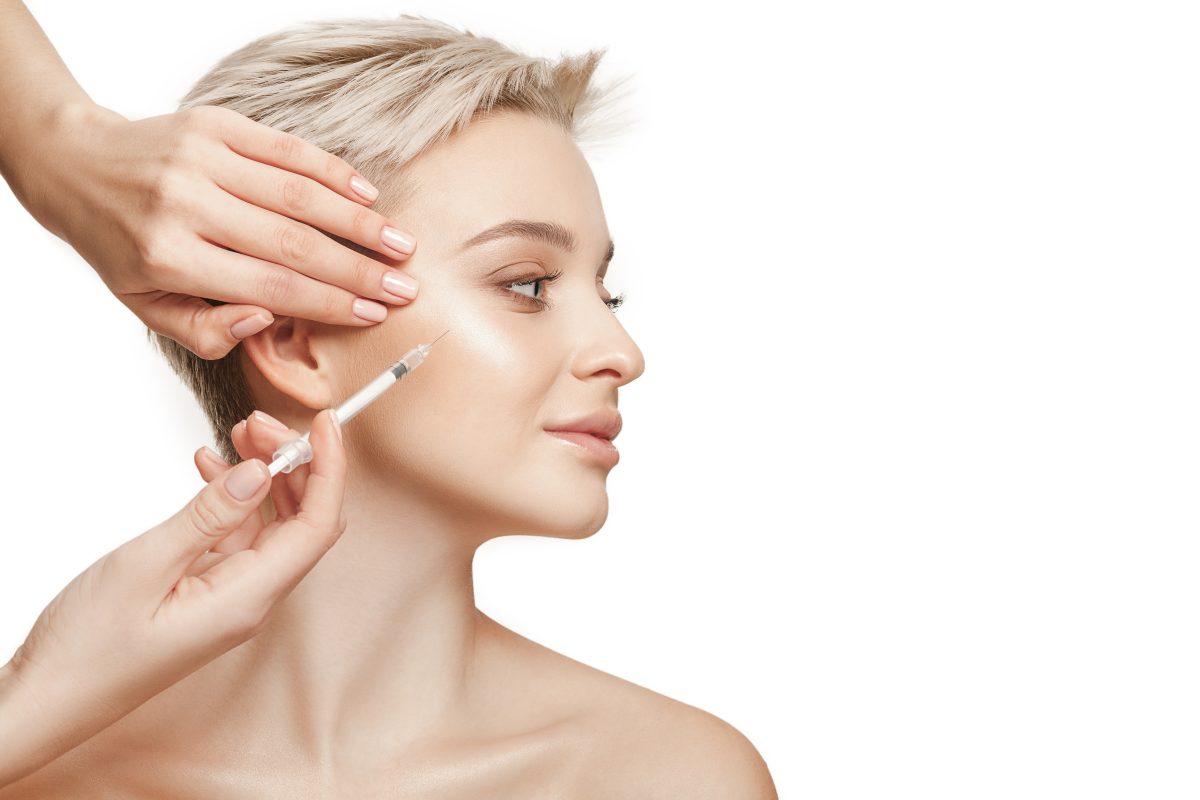
Numerous cutting-edge methodologies facilitate hair rejuvenation and foster hair regrowth. Platelet-Rich Plasma (PRP) therapy utilises the reparative capabilities of platelets to invigorate hair follicles. By injecting concentrated platelets into the scalp, PRP triggers growth factors that stimulate hair follicle activity, encouraging the growth of thicker, denser hair. Microneedling, another effective technique, entails creating tiny punctures in the scalp with fine needles, prompting the body’s natural healing response. This process boosts collagen production, improves blood circulation to the scalp, and enhances the absorption of hair growth-promoting substances. Laser therapy complements these methods by stimulating cellular metabolism within hair follicles, resulting in improved hair thickness and vitality. These advanced treatments collectively offer promising solutions for individuals seeking to address hair loss and revitalise their hair health.

Diet and Lifestyle: Impact on Hair Health

Nutrition and lifestyle choices are pivotal for optimal hair health and vitality. A well-rounded diet comprising vitamins, minerals, and proteins is fundamental for fostering robust hair growth. Nutrients like biotin, zinc, and iron found in foods such as eggs, spinach, and lean meats contribute to hair strength and resilience. Equally important is managing stress levels, as chronic stress can disrupt hair growth cycles. Prioritising adequate sleep is also crucial, as it allows the body to repair and regenerate cells, including those responsible for hair growth. Furthermore, minimising exposure to excessive heat styling tools and harsh chemical treatments helps preserve the hair’s natural moisture and structural integrity. By embracing these holistic approaches to nutrition and lifestyle, individuals can promote healthier, more vibrant hair from within, ultimately enhancing their overall well-being. (Hair Rejuvenation)

Conclusion: Summary of Key Points

In conclusion, hair rejuvenation encompasses a comprehensive approach, focusing on understanding hair structure, nurturing scalp health, and employing various rejuvenation methods such as PRP, microneedling, and laser therapy. Additionally, it involves embracing a wholesome diet and lifestyle. By prioritising these aspects, one can attain vibrant, resilient hair that radiates confidence and vitality. Understanding the intricate composition of hair and maintaining a healthy scalp create a solid foundation for effective rejuvenation. Techniques like PRP, microneedling, and laser therapy further enhance the rejuvenation process by stimulating hair follicles and promoting growth. Moreover, adopting a balanced diet rich in essential nutrients and embracing a healthy lifestyle contribute significantly to overall hair health. By integrating these elements into a holistic regimen, individuals can achieve not just aesthetically pleasing results but also long-term hair health and confidence in their appearance.

By incorporating these strategies into your hair care routine, you can unlock the secrets to lasting hair rejuvenation and enjoy the benefits of beautiful, healthy hair for years to come.

Loading

with Hair Transplants

PRP (Platelet-Rich Plasma) Therapy in Conjunction with Hair Transplants

In the realm of hair restoration, Platelet-Rich Plasma (PRP) therapy has emerged as a revolutionary adjunct to traditional procedures like hair transplants. This innovative technique harnesses the body’s natural healing mechanisms to promote hair growth and enhance the results of transplant procedures. In this blog post, we’ll delve into the intricacies of PRP therapy, its role in conjunction with hair transplants, and the numerous benefits it offers.

What is PRP Therapy?

Platelet-Rich Plasma (PRP) therapy involves the extraction and concentration of platelets from a patient’s own blood. Platelets are rich in growth factors and other bioactive proteins that play a crucial role in tissue repair and regeneration. When injected into targeted areas, PRP stimulates cell proliferation, collagen production, and angiogenesis, promoting healing and tissue rejuvenation.

How does PRP Therapy work?

PRP therapy begins with a simple blood draw from the patient, similar to a routine blood test. The collected blood is then processed using a centrifuge to separate the platelet-rich plasma from other blood components. Once concentrated, the PRP is injected into the scalp at strategic locations, where it can exert its regenerative effects on hair follicles.

PRP Therapy in Hair Transplants: The Advantages

When used in conjunction with hair transplant procedures, PRP therapy offers several notable advantages:

  1. Enhanced Hair Growth: PRP promotes the proliferation of hair follicle cells and prolongs the growth phase of the hair cycle, leading to thicker, healthier hair growth.


  1. Faster Healing: The growth factors present in PRP accelerate tissue repair and minimize downtime following hair transplant surgery, allowing patients to resume their normal activities more quickly.

  1. Improved Graft Survival: PRP can enhance the survival rate of transplanted hair follicles by providing them with a rich supply of nutrients and growth factors, thereby maximizing the effectiveness of the transplant procedure.

  1. Reduced Hair Shedding: PRP therapy can help minimize post-transplant shedding by strengthening existing hair follicles and promoting a healthier scalp environment.

Successful Case Studies and Testimonials

Numerous clinical studies and real-world testimonials attest to the efficacy of PRP therapy in conjunction with hair transplants. Patients report significant improvements in hair density, thickness, and overall satisfaction with their results. From celebrities to everyday individuals, PRP therapy has garnered praise for its ability to enhance the outcomes of hair restoration procedures.

Potential Side Effects and Precautions

While PRP therapy is generally considered safe and well-tolerated, it’s essential to acknowledge potential side effects and precautions. Mild discomfort, redness, or swelling at the injection site are common and typically resolve within a few days. However, as with any medical procedure, there is a small risk of infection or adverse reaction. Patients should discuss their medical history and any concerns with their healthcare provider before undergoing PRP therapy.

Conclusion: Combining PRP Therapy with Hair Transplants for Optimal Results

In conclusion, PRP therapy represents a game-changing advancement in the field of hair restoration. By harnessing the body’s natural healing mechanisms, PRP can significantly enhance the outcomes of hair transplant procedures, leading to thicker, healthier hair growth and improved patient satisfaction. With its proven benefits and minimal risks, PRP therapy is poised to remain a cornerstone of modern hair restoration techniques, offering hope to millions seeking to regain confidence and vitality through hair transplantation. If you’re considering a hair transplant, ask your provider about the potential benefits of incorporating PRP therapy into your treatment plan—it could be the key to unlocking your full hair restoration potential.Platelet-Rich Plasma

Loading

Anti-Aging

Debunking Anti-Aging Myths: Separating Fact from Fiction

Introduction: Overview of Anti-Aging Myths and Concerns

In a culture fixated on preserving youth, the quest for perpetual vitality has sparked a surge in anti-aging fallacies. From skincare concoctions peddling miraculous reversals to trendy diets asserting age-defying prowess, a deluge of misinformation inundated the market. This article endeavours to unravel the veracity concealed within prevalent anti-aging myths while advocating for evidence-based approaches to graceful ageing. By dissecting these myths, we illuminate the deceptive allure of quick fixes and highlight the importance of embracing realistic, science-driven practices to nurture well-being as we age. In a society beset by an obsession with youth, debunking these misconceptions serves as a beacon guiding individuals toward informed decisions and empowering them to embark on a journey of genuine, holistic ageing.

Understanding Ageing: Natural Process vs Myths about Aging

Aging unfolds as a natural biological progression marked by the gradual wane of physical and cognitive faculties. Despite this, misconceptions abound, painting ageing as a harbinger of solely decline and degeneration. Contrary to these myths, ageing encompasses a spectrum of experiences. While some alterations are unavoidable, embracing proactive measures concerning health and wellness can notably alleviate their effects. By prioritising activities like regular exercise, balanced nutrition, mental stimulation, and social engagement, individuals can enhance their resilience to age-related changes. Moreover, advancements in medical research offer promising interventions to support healthy ageing, extending quality of life. Recognizing ageing as a multifaceted journey empowers individuals to cultivate habits that foster vitality and well-being, challenging stereotypes and promoting a more holistic understanding of the ageing process.

Common Anti-Aging Myths: Busting Myths about Skincare and Aging

The notion that skincare products possess miraculous abilities to reverse ageing overnight perpetuates a common misconception in society. Despite countless claims, the reality remains starkly different. Skincare undoubtedly plays a vital role in enhancing skin appearance and safeguarding against future damage. However, it cannot perform miracles by erasing wrinkles or replenishing lost collagen in a single night. To discern truth from fiction, it’s crucial to grasp the constraints of skincare and adopt pragmatic expectations. While skincare regimens can yield noticeable improvements over time, expecting instant transformations sets unrealistic standards. By acknowledging these limitations, individuals can navigate the plethora of skincare offerings with a grounded understanding, prioritising long-term care and realistic outcomes over fleeting promises of overnight miracles.

Scientifically Proven Methods: Evidence-Based Strategies for Healthy Aging

Instead of seeking temporary solutions or relying on miraculous remedies, embracing evidence-based strategies provides a more enduring path towards healthy ageing. Such approaches encompass consistent physical activity, which aids in preserving muscle mass and cognitive capabilities over time. Additionally, a well-rounded diet featuring ample antioxidants and vital nutrients supports bodily functions and combats age-related decline. Prioritising sufficient sleep and effective stress management techniques are integral components, nurturing overall well-being and bolstering resilience against the impacts of ageing. By integrating these evidence-based practices into daily routines, individuals can cultivate sustainable habits that promote longevity and vitality, fostering a fulfilling and enriching quality of life as they age gracefully.

Lifestyle Factors: The Role of Diet, Exercise, and Stress

The lifestyle choices we embrace wield considerable influence over the ageing trajectory of our bodies. Opting for a diet laden with processed foods and sugar can hasten ageing through the promotion of inflammation and oxidative stress. Conversely, maintaining a regimen of regular physical activity can yield multifaceted benefits, including bolstering cardiovascular health, elevating mood, and augmenting cognitive function. Similarly, chronic stress exerts a detrimental impact, as it incites the release of cortisol, a hormone intricately tied to accelerated aging processes. By prioritising nutritious dietary habits, engaging in consistent physical exercise, and managing stress levels effectively, individuals can significantly mitigate the pace of aging, cultivating not only longevity but also vitality and overall well-being throughout their lifespan.

Skincare and Anti-Aging Products: Fact-Checking Claims about Anti-Aging Products

While skincare products can contribute to maintaining healthy, youthful skin, it’s crucial to assess their claims critically. Seek out ingredients with scientific backing, such as retinoids for collagen synthesis and antioxidants like vitamins C and E for shielding against environmental stressors. Prioritise sun protection, as UV radiation is the leading cause of premature ageing. Remember, a comprehensive approach to skincare involves more than just topical solutions; lifestyle factors like diet, hydration, and stress management also influence skin health. Ultimately, informed decisions based on reliable research and consulting with skincare professionals can lead to effective and sustainable skincare routines, helping to preserve your skin’s vitality and radiance over time.

Conclusion: Embracing Ageing with Knowledge and Confidence

In conclusion, dismantling misconceptions surrounding ageing necessitates a discerning evaluation of reality versus fallacy while embracing a comprehensive strategy for promoting well-being as we age. By comprehending the inherent progression of ageing, favouring strategies rooted in empirical evidence, and integrating lifestyle choices that foster overall health, we can navigate the ageing process with grace and assurance. Rather than futilely pursuing an elusive source of perpetual youth, let us instead honour the richness of wisdom and the depth of experience that accompanies each year of life’s journey. Embracing this perspective enables us to cultivate a sense of fulfilment and contentment, recognizing that true vitality lies not in defying age, but in embracing it with resilience and gratitude.

By shedding light on the truth behind common anti-aging myths, we empower ourselves to make informed decisions about our health and well-being, ultimately redefining our perception of ageing in a positive light.

Remember, aging is not something to fear or fight against but rather a natural part of the human experience to be embraced and celebrated at every stage of life.

Let’s age gracefully, gracefully, with grace and wisdom.

Loading

Pigmentation

Spotlight on SPF: How Sun Protection Plays a Crucial Role in Managing Pigmentation

Understanding Pigmentation and its Causes

Pigmentation, the natural colouring of the skin, may suffer irregularities due to multiple factors. Sun exposure, a primary cause, prompts melanin production in response to UV radiation, resulting in darkened patches or spots. Hormonal fluctuations, often experienced during pregnancy or with contraceptive use, can also contribute to pigmentation changes. Inflammation, whether from acne, eczema, or other skin conditions, may leave behind discoloured marks. Additionally, genetic predispositions can influence pigmentation patterns. These factors collectively contribute to uneven skin tone and pigmentation issues. Understanding the diverse origins of pigmentation irregularities is crucial for implementing effective skincare strategies, including sun protection, topical treatments, and professional interventions like laser therapy or chemical peels. Managing pigmentation concerns requires a comprehensive approach tailored to individual circumstances, encompassing both prevention and targeted treatment methods to restore a more even complexion.


The Importance of Sun Protection Factor (SPF)

Sun Protection Factor (SPF), a vital aspect of sunscreen, quantifies its efficacy in shielding the skin from the sun’s harmful UV radiation. SPF primarily targets UVB rays, the chief culprits behind sunburn and skin cancer. By forming a protective barrier, SPF minimises the skin’s exposure to these damaging rays, thereby reducing the risk of sunburn and long-term skin damage. Furthermore, SPF aids in preventing the exacerbation of existing pigmentation irregularities and the formation of new dark spots, contributing to a more even and healthier complexion. Incorporating sunscreen with an adequate SPF into daily skincare routines is imperative for maintaining skin health and preventing sun-induced skin conditions, underscoring the importance of SPF as a crucial component of sun protection measures.


How SPF Helps in Preventing Pigmentation

Regular application of sunscreen with a sufficient SPF establishes a vital protective shield against UV radiation, crucial for minimising skin exposure. This preventive measure curtails the overproduction of melanin, thereby mitigating the likelihood of pigmentation concerns like sunspots, melasma, and post-inflammatory hyperpigmentation. Ensuring consistent SPF usage remains imperative, irrespective of weather conditions, including cloudy days or indoor activities. Despite cloud cover or being indoors, UV rays possess the capability to infiltrate through windows, underscoring the necessity of sunscreen application. Embracing this habit fortifies the skin’s defence mechanism, safeguarding against the detrimental effects of UV radiation, and preserving skin health in the long term.


Tips for Effective Sun Protection

Choose a broad-spectrum sunscreen with an SPF of 30 or higher to ensure protection against both UVA and UVB rays.

Apply sunscreen generously and evenly to all exposed skin areas at least 15 minutes before going outdoors.

Reapply sunscreen every two hours, or more frequently if swimming or sweating.

Wear protective clothing, such as hats, sunglasses, and long-sleeved shirts, for additional sun protection.

Seek shade during peak sun hours, typically between 10 a.m. and 4 p.m., when UV radiation is strongest.


Other Strategies for Managing Pigmentation

In addition to sun protection, there are various other strategies for managing pigmentation effectively. These include:

Using topical treatments containing ingredients such as hydroquinone, retinoids, vitamin C, and niacinamide to target pigmented areas and promote skin renewal.

Undergoing professional treatments like chemical peels, laser therapy, and microdermabrasion to address stubborn pigmentation concerns.

Adopting a healthy lifestyle with a balanced diet, regular exercise, adequate hydration, and sufficient sleep to support overall skin health and healing processes.


Incorporating SPF Into Your Skincare Routine

In the pursuit of managing pigmentation effectively, integrating SPF into your daily skincare ritual is paramount. Selecting a sunscreen tailored to your skin type and personal preferences—be it a featherlight lotion, a nourishing cream, or a mattifying gel—is essential. Incorporate sunscreen as the ultimate layer in your skincare routine, following the steps of cleansing, toning, and moisturising, and preceding any makeup application. By adhering to this regimen, you fortify your skin against harmful UV rays, which are known to exacerbate pigmentation concerns. Consistent application of sunscreen not only safeguards your complexion from sun damage but also promotes a more even and radiant skin tone over time. Thus, embracing sunscreen as a non-negotiable element of your skincare regimen is instrumental in achieving the desired results in pigmentation management.


Conclusion: Emphasising the Role of SPF

In conclusion, sun protection emerges as an indispensable element in pigmentation management and skin health preservation. An understanding of pigmentation causes, coupled with consistent SPF usage and effective sun protection measures, holds the potential to mitigate dark spot appearance and foster a more uniform, radiant complexion. It’s crucial to recognize that prevention serves as the cornerstone in pigmentation control, making SPF an imperative component of daily skincare routines for the attainment of beautiful, healthy skin. By assimilating these insights and accentuating SPF’s significance, individuals can embark on proactive measures to navigate pigmentation issues and uphold a luminous complexion throughout the year.

Loading

Monopolar

The Power of Monopolar Radiofrequency for Youthful Skin

Introduction

In our relentless quest for youthful and rejuvenated skin, the world of dermatology presents a non-invasive marvel harnessing the potency of monopolar radiofrequency (RF). IT is designed to smooth, tighten, and contour the skin and is a step towards preserving the vibrant appearance of yesteryears.

Understanding Monopolar Rf

At its core, Monopolar Rf  is an RF therapy that meticulously targets the deep, collagen-rich layers of the skin. But what makes this treatment comfortable is the innovative tip that simultaneously vibrates and cools the skin’s surface, ensuring patient comfort throughout the procedure.

Who is the ideal candidate for this procedure?

While Monopolar Rf  benefits are many, it’s particularly effective for individuals in their mid-30s to 50s who are beginning to notice sagging skin, fine lines, and other early signs of ageing but aren’t ready for surgical interventions. It’s an excellent middle-ground solution.

How Does It Work?

  • Mechanism: As time progresses, the collagen in our skin inevitably breaks down, leading to the familiar foes: wrinkles and sagging. Monopolar Rf  emerges as a beacon by promoting new collagen growth, renewing our skin’s former vitality. It achieves this by heating the existing collagen and stimulating new collagen formation. This dual action reduces sagging and restores contours, elevating the overall texture and smoothness of the skin’s surface.
  • Depth and Reach: A remarkable feature of Monopolar Rf  is its ability to target all three layers of facial skin. This comprehensive approach ensures robust and long-lasting skin rejuvenation. The underlying radiofrequency energy further tightens the collagen, effectively addressing wrinkles and fine lines.

Applications of Monopolar Rf

Monopolar Rf  is versatile. It’s not limited to facial rejuvenation alone. Still, it extends its benefits to treat wrinkles and loose skin around the eyes and the body.

Procedure Insights

  • Duration: A typical Monopolar Rf  session spans between 60 to 90 minutes.
  • Post-Procedure: One of the standout features of Monopolar Rf  is the minimal to zero downtime. Post-treatment, you can seamlessly transition back to your daily routine, work or leisure, without any hindrance.

The Benefits of Choosing Monopolar Rf

  • One-Time Treatment: Unlike some procedures that demand multiple sittings, Monopolar Rf  offers the luxury of a single-session treatment.
  • Comfort and Safety: The procedure is designed to ensure maximum painless and safe comfort.
  • Visible Results: Post-treatment, the rewards are manifold. Patients often report firmer, younger-looking skin. Other commendable outcomes include reduced acne, softened scars, a chiselled jawline, diminished forehead lines, and a significant reduction in jowls.

Cost-Effectiveness

Considering that Monopolar Rf  is often a one-time treatment with lasting results, it presents itself as a cost-effective solution in the long run compared to treatments that require frequent touch-ups or maintenance sessions.

Conclusion

In the panorama of skin treatments, Monopolar Rf  stands out as an efficient, quick, and long-lasting solution for those aspiring for a youthful appearance. With minimal discomfort and no extensive aftercare, it’s a testament to how modern dermatological advances can offer simple solutions to complex skin ageing problems.


By Dr. Madhuri Agarwal, Founder of Yavana Aesthetics

Loading